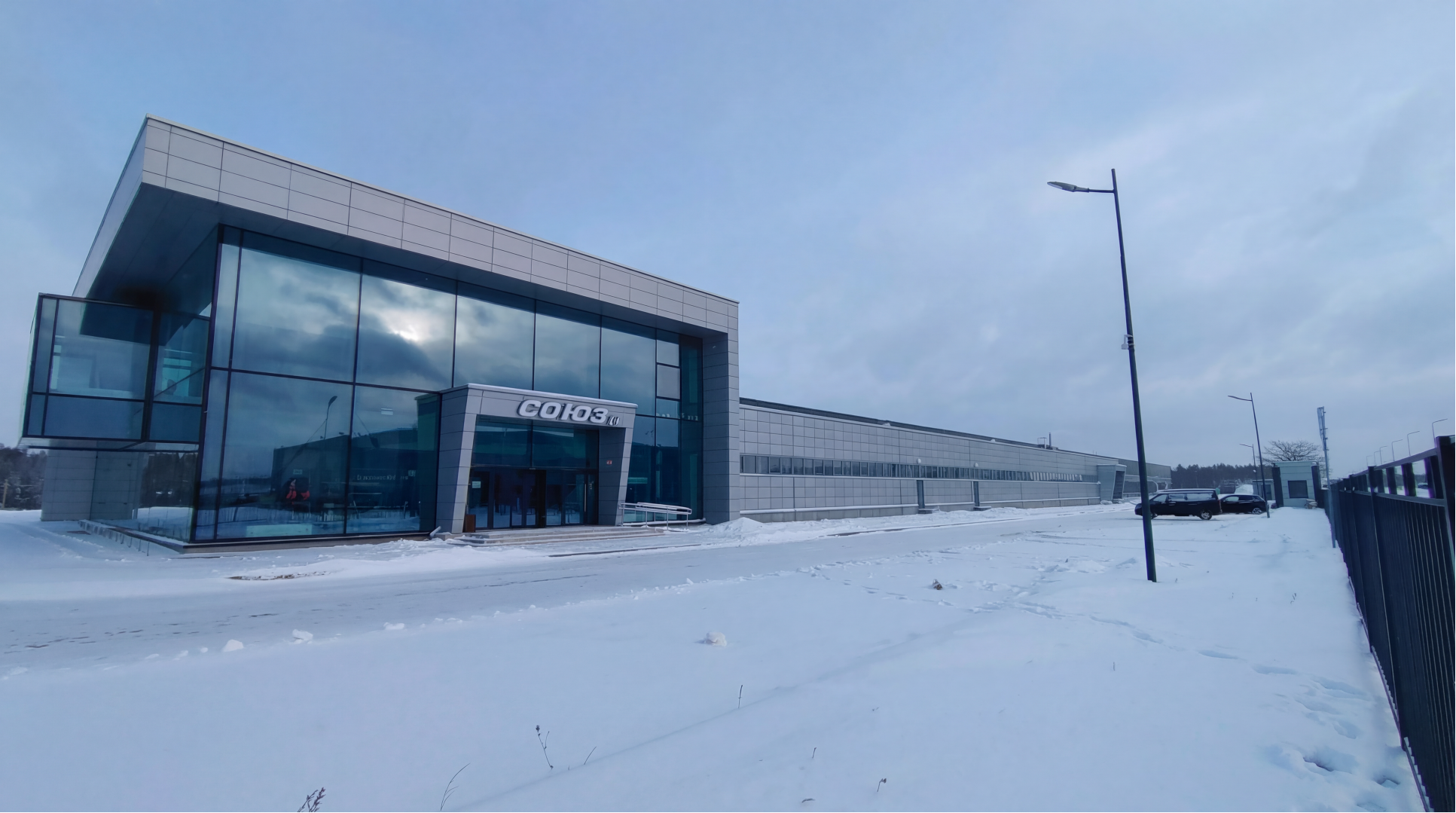
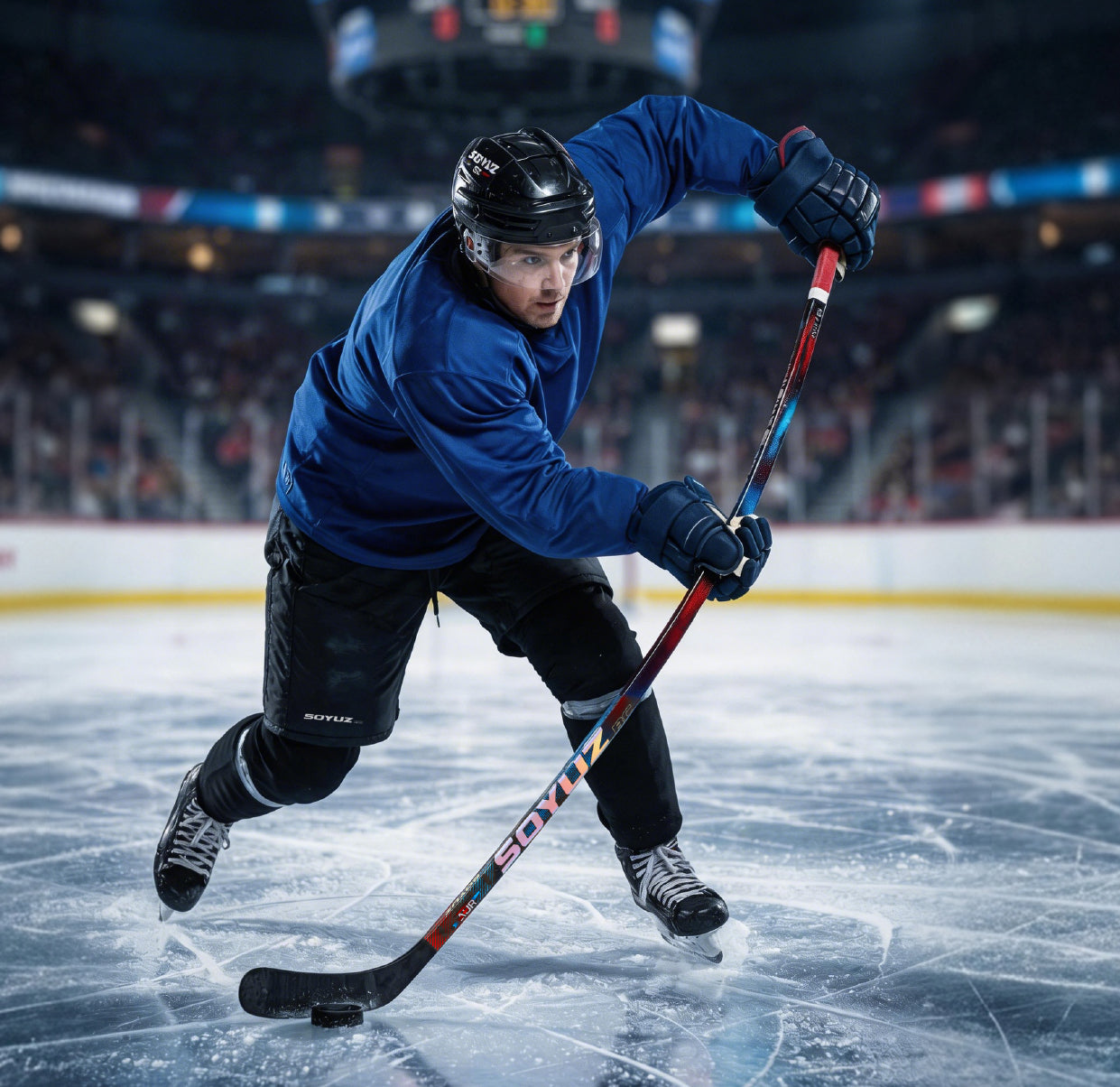
SOYUZ Brand Origin: Material Technology from the Aerospace System
SOYUZ is not a sports brand in the traditional sense.
It was born out of a carbon fiber technology platform extended from the collaboration between the Russian aerospace system and the Chinese aerospace system, focusing on the R&D and application of high-performance composite materials.
Within this system:
- We have access to aerospace‑grade carbon fiber materials and structural solutions.
- We inherit engineering logic validated under extreme environments.
- Our goal is to translate these technologies into athletic performance.
SOYUZ is precisely the productization project within this system, dedicated to ice hockey.
Our Core Values
Born from aerospace. Made for champions.
Enable more everyday players, at a fairer price, to truly experience shot feedback approaching the professional level. Precise, stable, and trustworthy — even under extreme conditions.
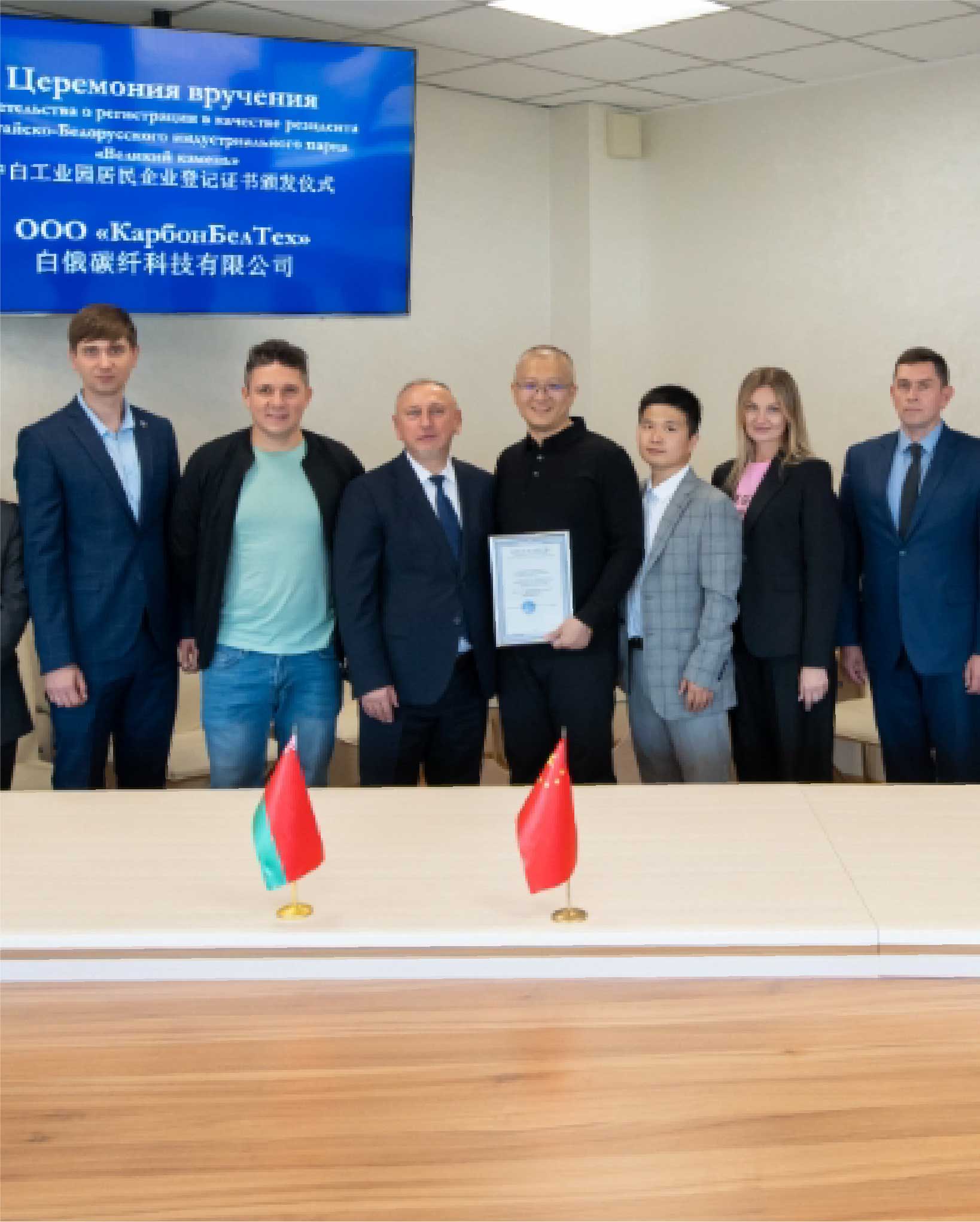
I. A Seemingly Simple Question
I. A Seemingly Simple Question
What if we used materials designed for building rockets to make hockey equipment?
This question was first raised in a restricted-access composite materials laboratory. The lab's daily work involved developing next-generation carbon fiber structural materials for launch vehicles and military aircraft—materials that must withstand extreme temperature fluctuations in space, immense overloads during supersonic flight, and long-term stability in complex electromagnetic environments. Every gram of weight is precisely calculated, and the orientation of every fiber is optimized through simulation.
In such an environment, materials are no longer just materials. They become the ultimate expression of engineering—weapons that humanity wields against gravity, vacuum, and speed.
Then one day, an unexpected visitor came to the lab. He was neither an aerospace engineer nor a military representative—he was a hockey coach. Standing in front of the carbon fiber prepregs used for rocket shells, he asked a question that silenced everyone in the room:
"Can these materials withstand a 100 mph hockey puck impact?"
That question became the starting point of SOYUZ.
No one could have predicted at the time that this "cross-disciplinary" idea would give birth to an entirely new hockey equipment brand. But over the following years, a secret project quietly took shape, involving composite material scientists, military-grade test engineers, and hockey equipment designers. Its codename was SOYUZ.
In Russian, "SOYUZ" (Cоюз) means "union" or "alliance." And the mission of this project was precisely to unite two seemingly unrelated worlds: humanity's most advanced aerospace and military material technology, and the raw, primal desire to compete on the ice rink.
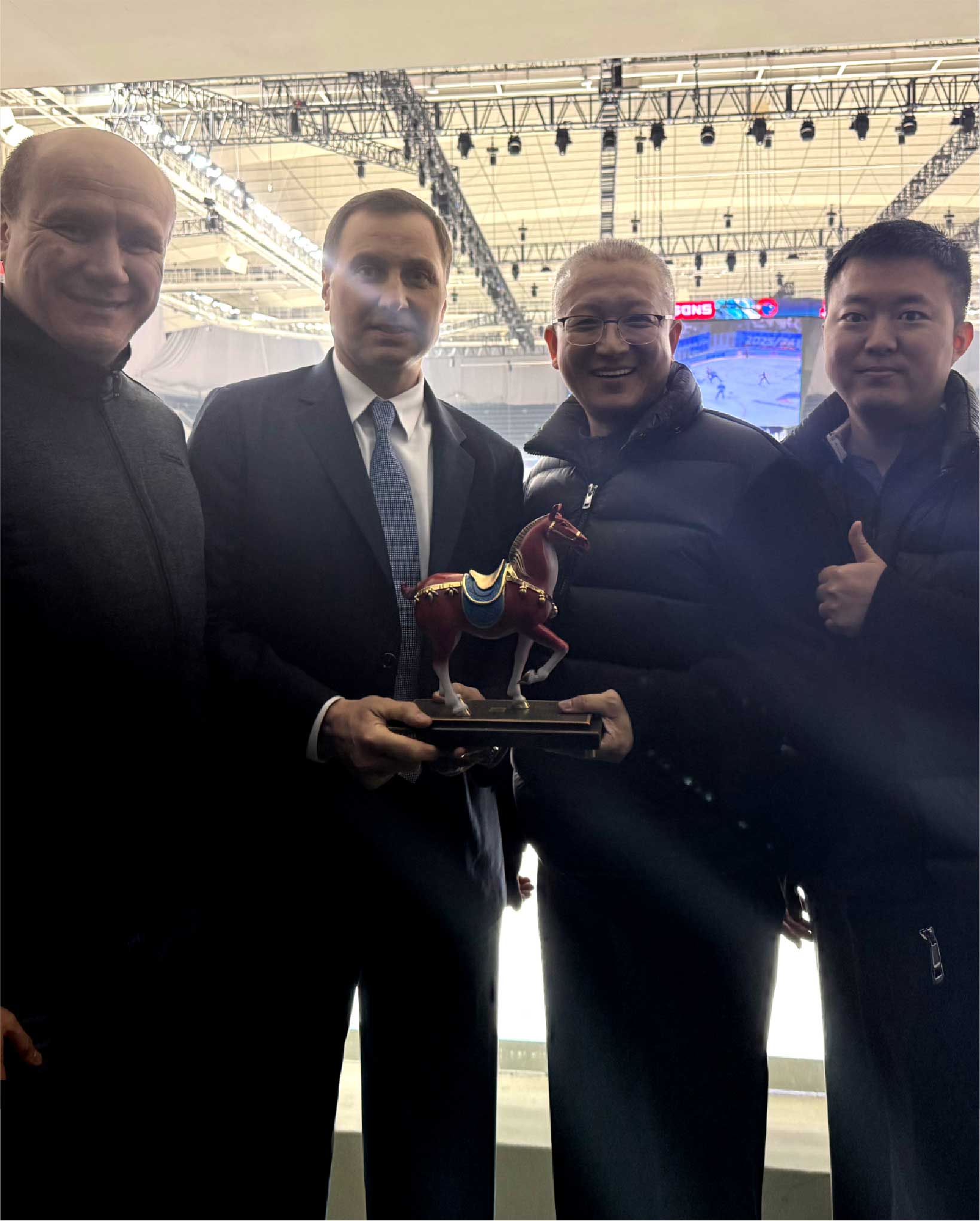
II. The Name "SOYUZ"
II. The Name "SOYUZ"
Later, we gave this project a name.
"SOYUZ." In Russian, it is one of the most modest yet most profound words — "Union" or "Alliance."
It is also the name of the most stable and reliable crewed space system in human history. The Soyuz spacecraft. From the 1960s to the present day, it has carried humans into space time and again, and brought them back safely. In the history of spaceflight, no other system has stood the test of time like it.
This name represents not just the ability to fly. It represents a standard:
"Precise, stable, and trustworthy — even under extreme conditions."
We borrowed this name from space.
Because what we want to do is to bring that standard from space to the ice rink.
From the combustion chamber of a rocket engine to the strike zone of a hockey stick.
From a spacecraft’s heat shield tiles to the impact‑absorbing layers of shoulder pads.
From the structural components of military aircraft to the energy‑managing liners of helmets.
It is a very, very long road.
But we believe it is worth walking.
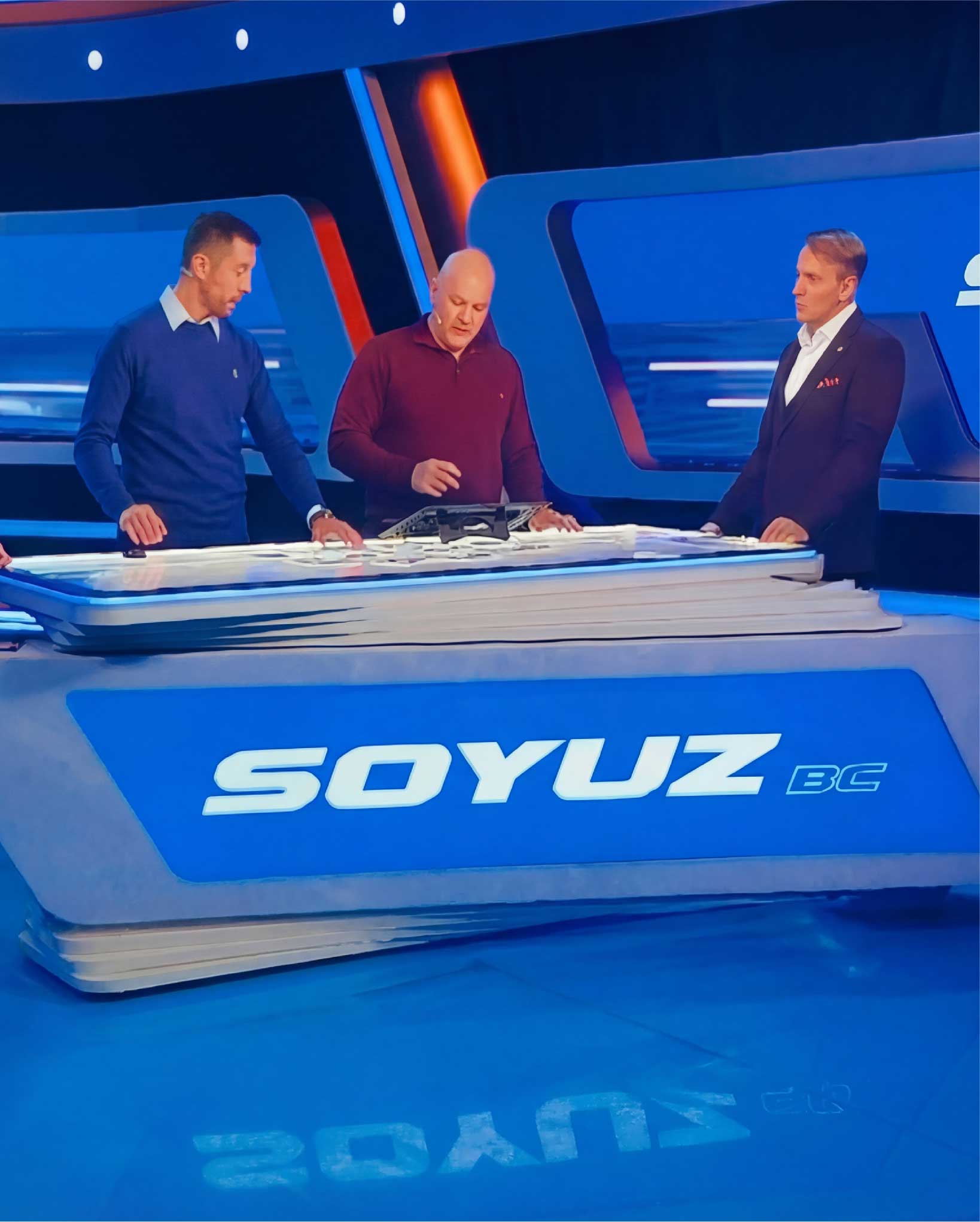
III. From "Flying" to "Shooting"
III. From "Flying" to "Shooting"
Many people ask us: What does aerospace material really have to do with ice hockey equipment?
Our answer is this: The core of aerospace material has never been "being more expensive" or "being more flashy." Its core is more controllable, more stable, and more efficient energy transmission.
A rocket needs to fly. The energy from fuel combustion must be transmitted meticulously along the designed path — no deviation, no loss, no unintended release. The same is true for a hockey stick. Every bit of power you put into your shot should be fully transferred to the puck, not "eaten" by vibration in the shaft, nor "bled away" by uneven elastic deformation.
When this logic — refined from aerospace engineering — enters hockey products, things begin to change:
Precise control of fiber layup angles → The feedback you feel on a shot is no longer a vague "springy or not springy," but clear, predictable, and consistently precise every time. You know where the puck will go. You know how fast it will be.
Optimization of energy release paths → With the same swing speed, your shot can be more powerful. Not because you have become stronger, but because the equipment no longer "steals" your power.
Improved structural stability → In the third period, when your energy is fading, on ice at minus ten degrees, after a heavy body check — your stick and protective gear still perform consistently. They don’t become "soft," they don’t become "brittle," they don’t betray you at the most critical moment.
This is not simply "cutting a piece of rocket material and stuffing it into a stick."
It is a long, tedious, ground‑up engineering reconstruction.
Our composite materials team spent years redesigning the carbon fiber layup angles, stacking sequences, and resin formulas. We adopted the "destructive verification" methods from military and aerospace testing: bending repeatedly until breakage, high‑speed impact until penetration, mapping complete performance degradation curves at extremely low temperatures.
Every batch of material must be "abused" beyond normal usage limits before it qualifies for the next round.
Only those that pass all these tests finally end up in your hands.
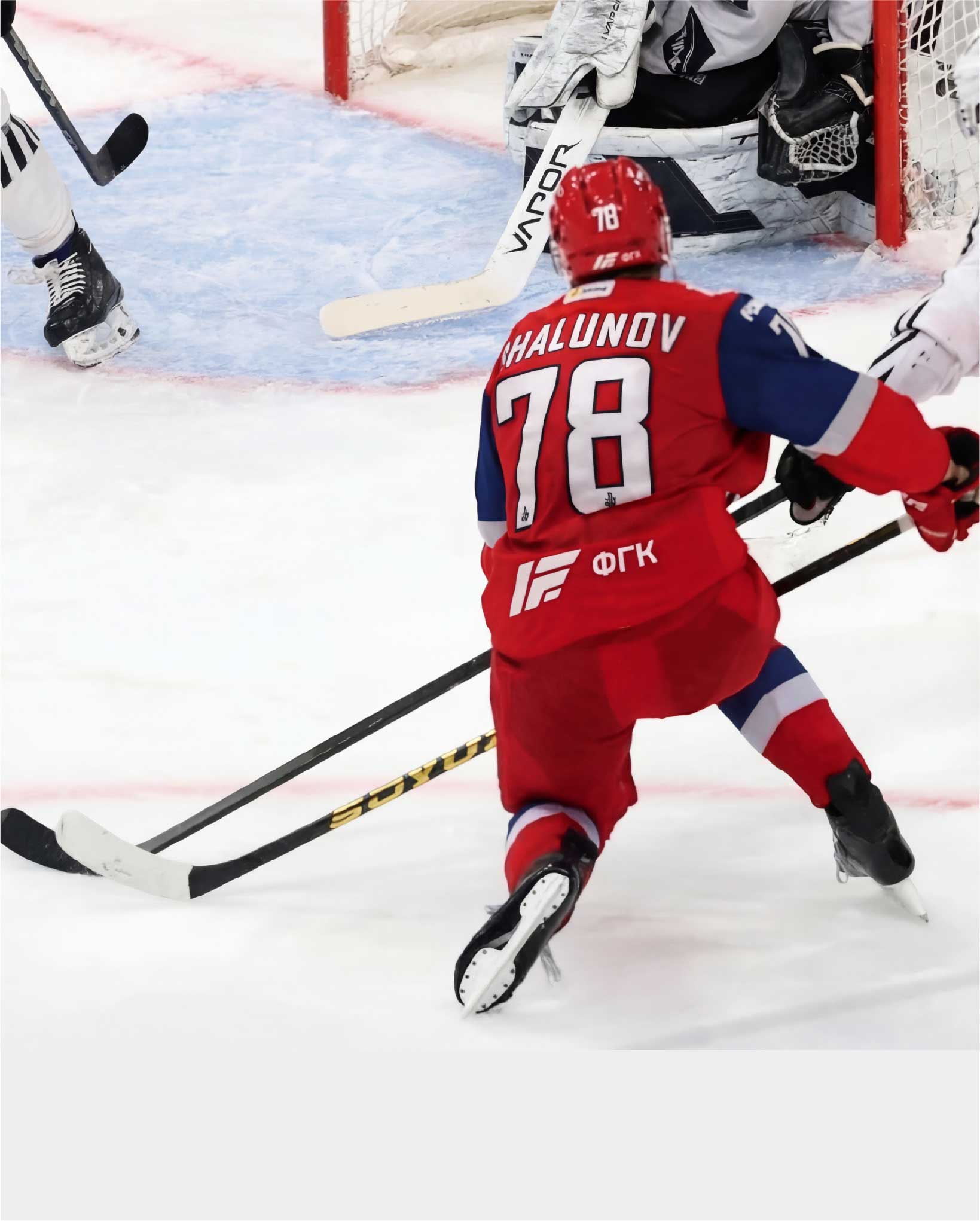
IV. What Machines Can not Do
IV. What Machines Can not Do
At the place where SOYUZ is made, there is something very interesting.
We have two kinds of "workers" at the same time: computer‑controlled carbon fiber layup machines with micron‑level precision, and older, grey‑haired, soft‑spoken master technicians.
The machines lay the prepreg sheets layer by layer, precisely every time. Then, the technicians take over. They use their hands to inspect every edge, every curve, every corner — inch by inch. They are looking for things a machine might overlook — an air bubble barely visible to the naked eye, a slight wrinkle in the fibers, a tiny unevenness that only decades of tactile experience can detect.
This model of "machine precision + human judgment" is rare in purely commercial manufacturing. But in the aerospace and military industries, it is standard practice.
Not because machines aren’t good enough.
But because under extreme conditions — in space, on the battlefield, on the ice hockey rink — any tiny defect can be magnified into catastrophic failure.
We do not allow that to happen.
Not because we are perfectionists.
But because we play hockey ourselves. We know what standard we would want to see in our own equipment.

V. Voices from the Ice
V. Voices from the Ice
In our R&D process, there are two kinds of "inputs."
One kind comes from the lab: test data, material curves, impact absorption coefficients.
The other kind comes from the ice rink.
We maintain close contact with professional players from high-level leagues such as the KHL (Kontinental Hockey League). This is not a "sponsorship contract" kind of relationship — it is a real, ongoing, honest feedback loop.
They tell us many things. Some are big:
"In the third period, when my energy is dropping, I need a lighter stick — otherwise I can't swing it properly."
"The intensity of the playoffs is different. The sides of the shoulder pads need more protection."
But more often, they are small, very specific things:
"This seam on the inside of the shoulder pad rubs against my neck. It starts hurting around the 15th minute."
"When it's minus 12 degrees Celsius, the feel of the stick changes. It becomes a bit 'dead'."
"There's a blind spot at the upper right of the helmet — about 5 degrees. I missed a pass because of it."
These voices come from star players, and also from young players still fighting for their next contract. No voice is more important than another. Every single piece of feedback is recorded and then fed into our R&D process.
They are just as important as the data from the lab.
Because the ones we ultimately serve are not testing machines.
They are people.
A person who, on ice at minus ten degrees, sweating, gasping, gritting their teeth, wants to win this game.
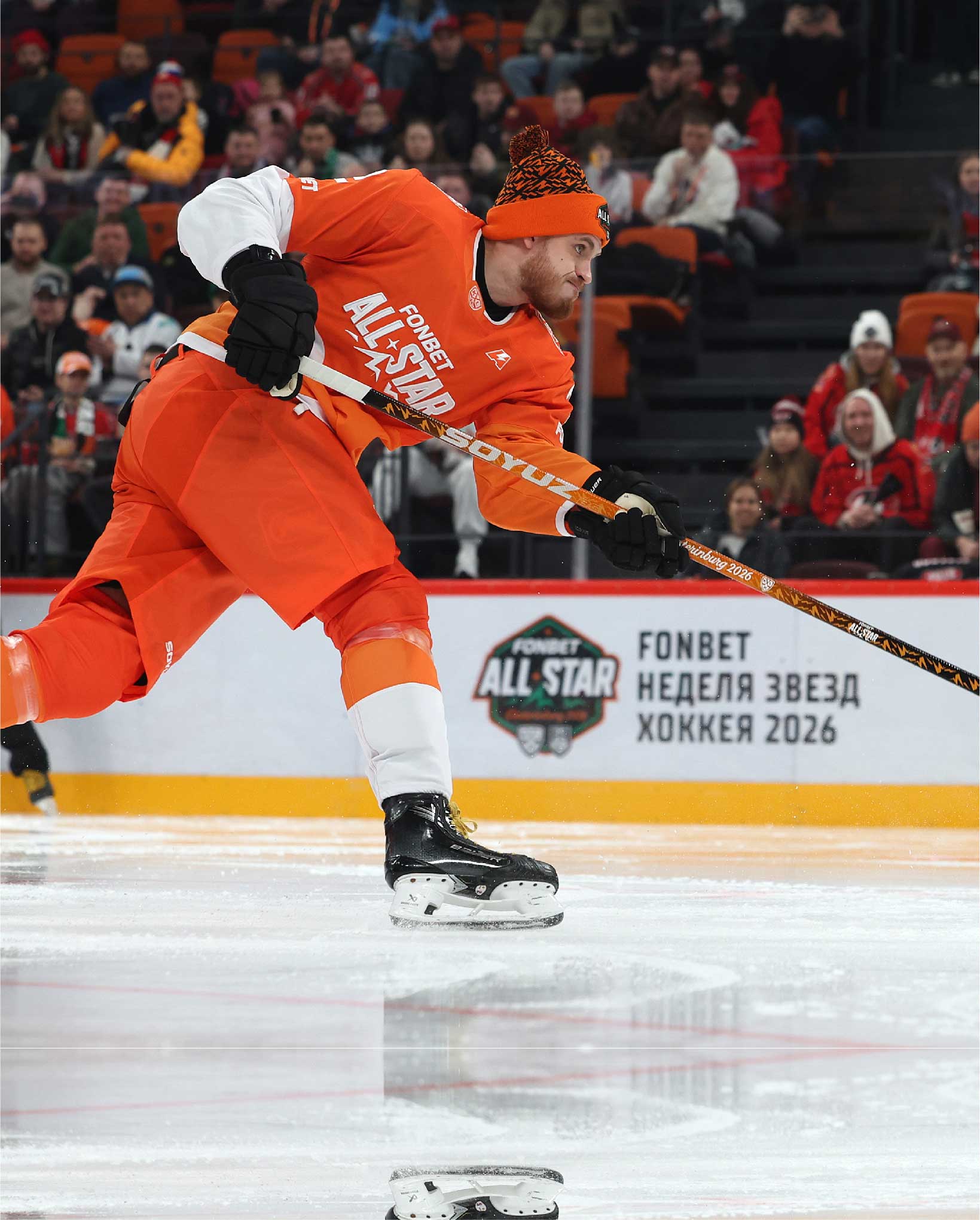
VI. For Whom Is It Made?
VI. For Whom Is It Made?
We are often asked this question:
"Who exactly is your equipment made for? Professional players?"
Our answer is:
"It is made for those who refuse to accept 'good enough'."
Their identities may be very different.
Some are star players in international leagues, their names on the nameplates above the locker room stalls. They make a living from hockey, and they live for hockey. For them, equipment is not gear — it is a weapon.
But there are also others — names you will never see on TV. A 15‑year‑old kid who gets up at 4 a.m. every day to train on a small‑town rink with a few hundred people. He may never make it to a major league, but he has never once settled for "good enough."
And there are those in their 40s, with old knee injuries, who can only play once a week. But every time they put on their gear and step onto the ice, they get as excited as a child. They don't care much about winning or losing — but they care about every shot, every pass.
These people share one thing in common.
After practice, they stay to take extra shots. Ten shots. Fifty. A hundred. Until their arms ache, until sweat soaks through their gear, until the ice is covered with black rubber marks.
They are not satisfied with "good enough."
Because in high‑level competition — whether that "high level" is a professional league or a championship game in a community league — "good enough" means failure.
For these people, ordinary equipment is not enough.
What they need is:
Material strength that can withstand thousands of violent impacts without becoming "soft" at the critical moment.
Weight distribution precisely calculated to make every swing just a little bit faster.
Protective gear designed to shield vital areas during high‑speed collisions without sacrificing even a fraction of mobility.
This is precisely why SOYUZ exists.
Not because we want to make "more expensive equipment."
But because we know that when you give everything you have to hockey, you want your equipment to give everything it has to you.
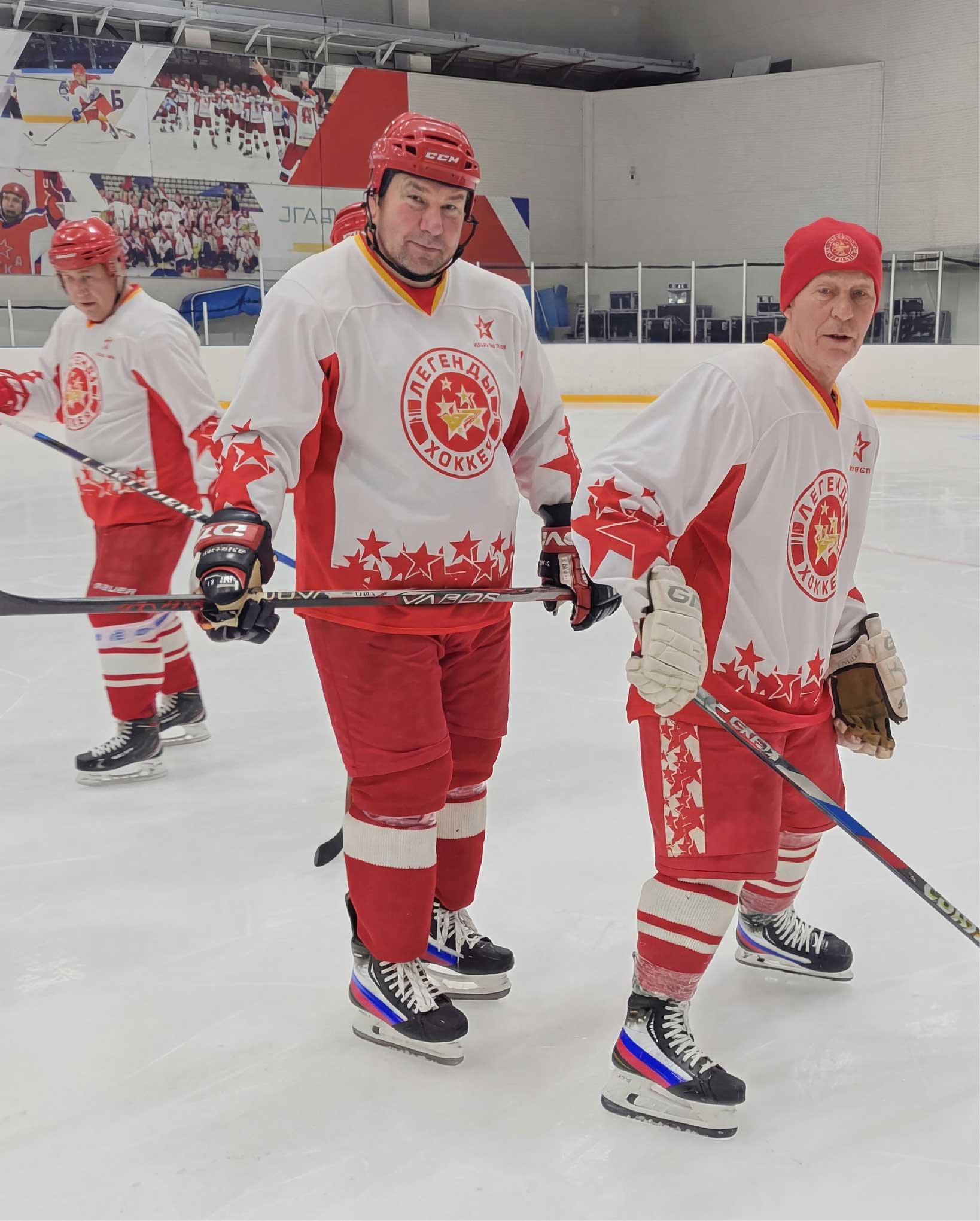
VII. What We Don’t Believe In
VII. What We Don’t Believe In
We do not believe that “cutting‑edge technology should be reserved for a select few.”
We have seen too many stories like this: a technology is first used in aerospace and military fields for a decade, then in top‑level professional sports for another five years, and only then slowly, slowly trickles down to the mass market — at an exorbitant price, with performance already compromised.
We don’t think that should be the only path of technological evolution.
When a technology is mature enough, reliable enough, and “proven enough,” it should be applied more broadly. Not for the sake of making money, but because it can genuinely help those who are also pursuing excellence.
Hockey players are exactly such pursuers.
We don’t want you to wait fifteen years to use the technology that should have been yours.
VIII. A Promise
VIII. A Promise
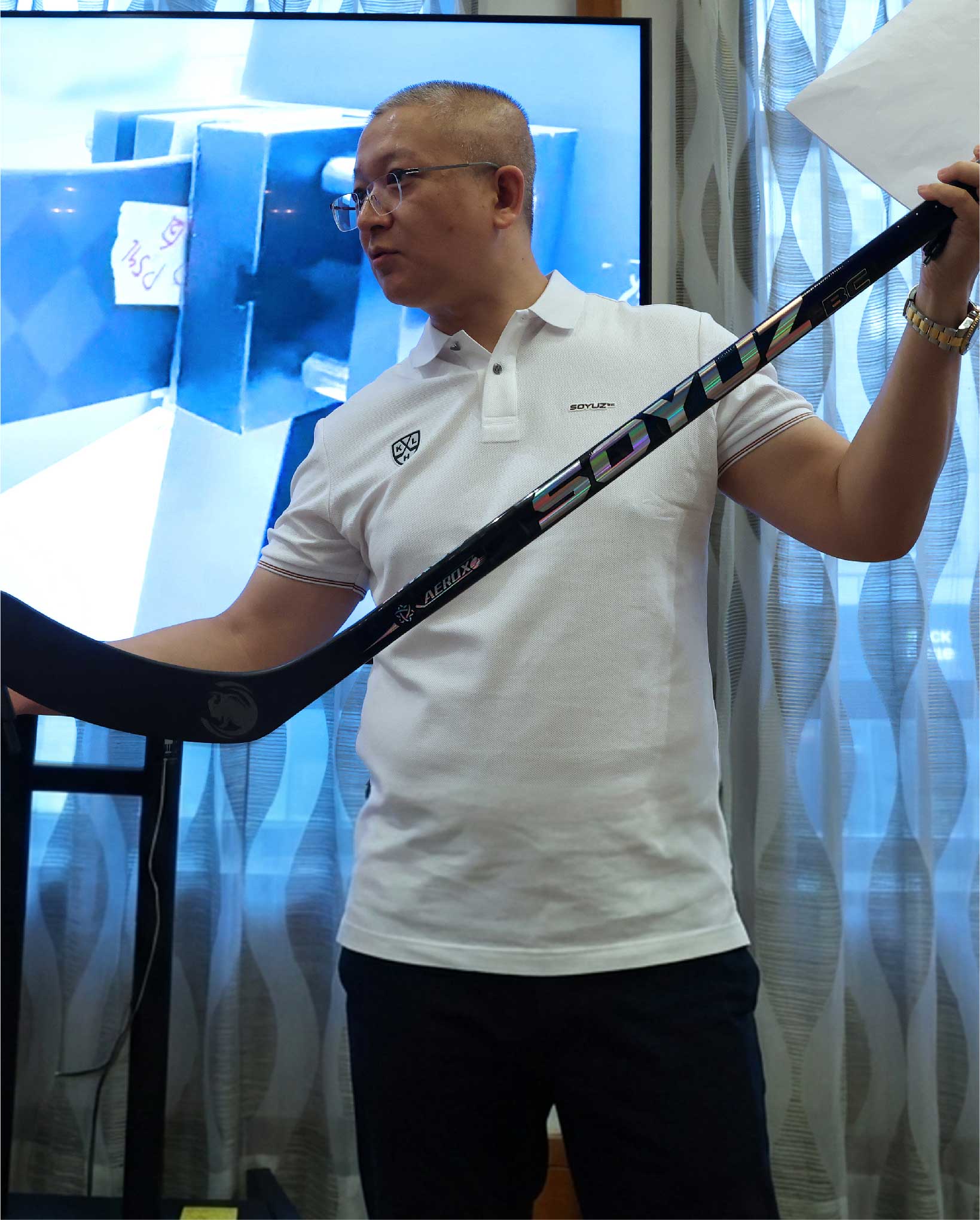
Our engineers come from the fields of composite materials science and military/aerospace testing.
Our material standards originate from the aerospace industry’s ultimate pursuit of reliability.
Our testing processes draw from the engineering traditions of building equipment for extreme environments.
But our heart is on the ice rink.
This is SOYUZ.
A name.
An alliance.
An alliance between aerospace materials science and the sport of ice hockey.
An alliance between the precision of the laboratory and the raw power of the rink.
An alliance between military‑grade rigor and the intuition of the athlete.
An alliance between Russian‑Chinese aerospace cooperation and a hockey productization project.
We are proud of this name.
And we are proud of the promise it carries:
To provide every athlete who refuses to accept “good enough” with hockey equipment made from aerospace and military‑grade material technology.
SOYUZ. Born from space. Made for champions.
Free shipping and returns
ENGINEERED FOR THE GAME. BUILT FOR CHAMPIONS
— SOYUZ Hockey
Product Introduction
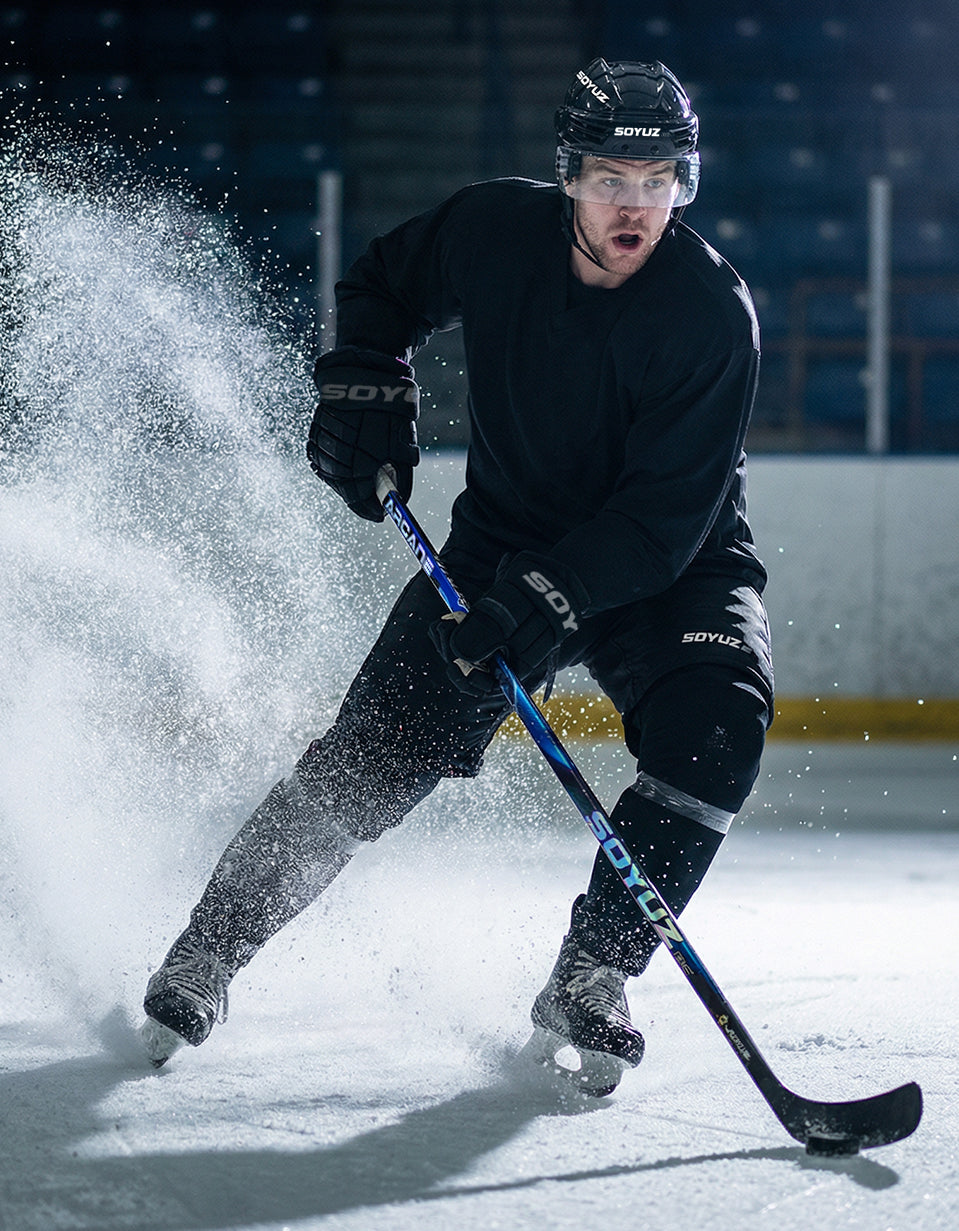
Ice Hockey Sticks
SOYUZ hockey sticks are engineered for players who demand precision and power in every shot.Crafted from aerospace-grade carbon fiber with proprietary flex profiles and advanced blade construction, our sticks deliver exceptional puck feel, explosive energy release, and unmatched durability. Trusted by KHL athletes and built to withstand the rigors of elite competition, every SOYUZ stick is designed to become an extension of your game—from the first shift to the final buzzer.
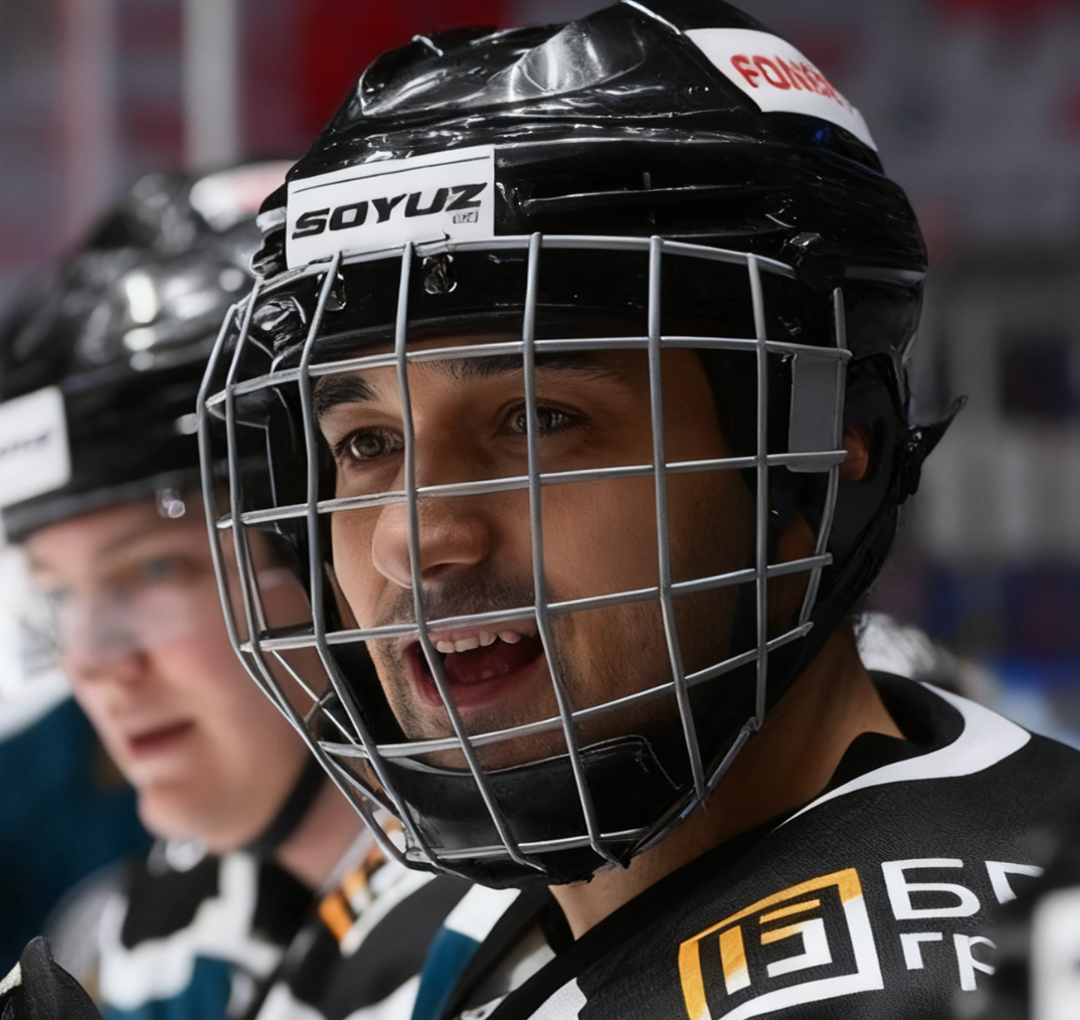
Protective Gear
SOYUZ protective gear gives you the confidence to play fearlessly.Engineered with graduated-density foams and strategically placed hard shells, our shoulder pads, elbow guards, and protective equipment absorb high-impact forces while preserving full mobility. Drawing on elite goaltending expertise and precision manufacturing, we create gear that protects where it matters most—so you can focus on the game, not the risks. Comfortable, durable, and built for the speed of modern hockey.
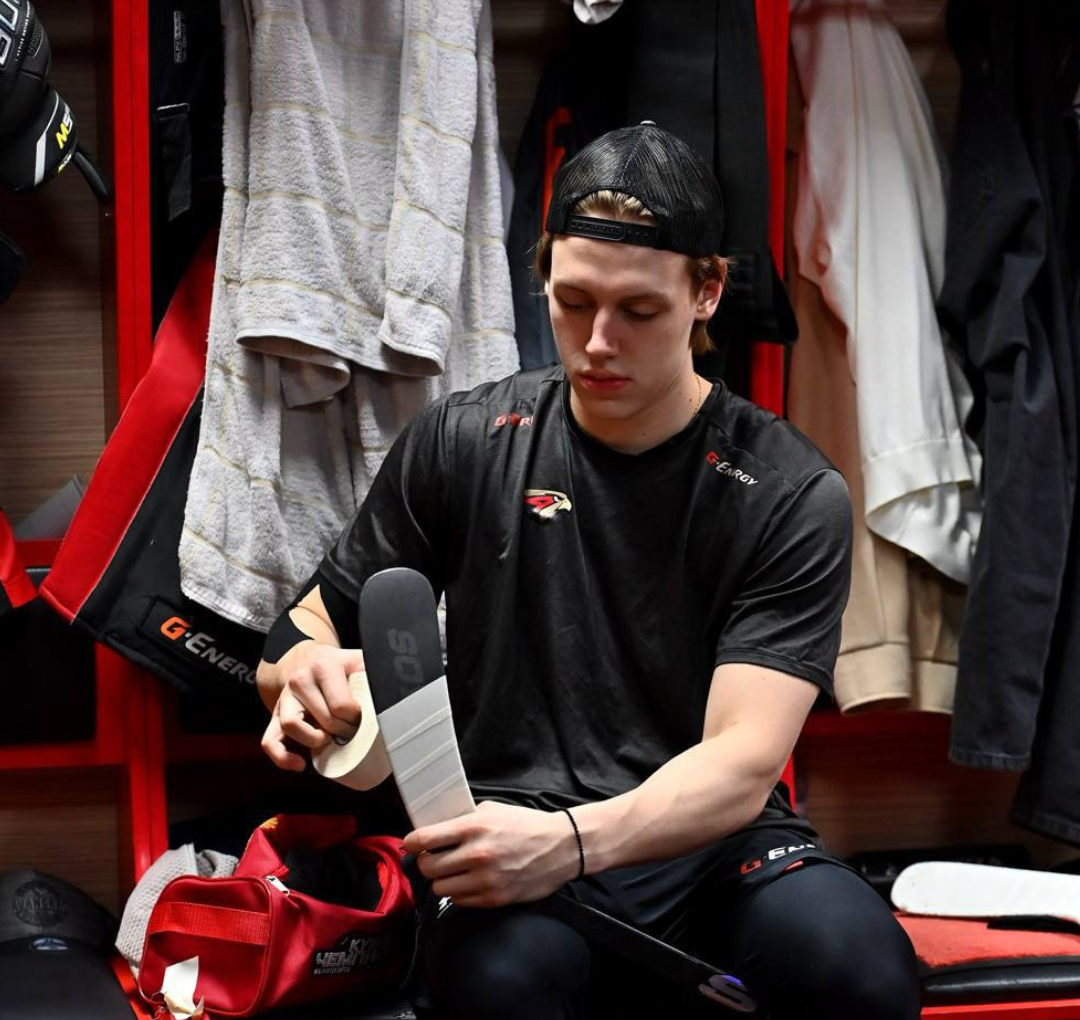
Hockey Accessoires
SOYUZ hockey accessories complete your game with quality you can trust.From bags that protect your gear to tape, laces, and maintenance essentials, every accessory is designed with the same attention to detail as our elite-level equipment. Whether you're preparing for practice or maintaining your stick between shifts, SOYUZ accessories ensure you're always game-ready—because champions know that excellence is in the details.
Our Partners
Trusted by Elite Teams